Most ideas die at the tooling quote. That is the part we do.
Independent inventors and small brands, from a drawing on a napkin to a unit that a buyer will actually put on a shelf. We are not an incubator and we do not take equity.
Five to eighteen months
How a product gets made
Each stage has a real cost and a real deliverable, and you can stop at the end of any of them.
Feasibility
Two weeks. Can it be made, roughly what per unit, and is somebody already selling it.
Prototype
Six to ten weeks. Something you can hold, test and show a buyer.
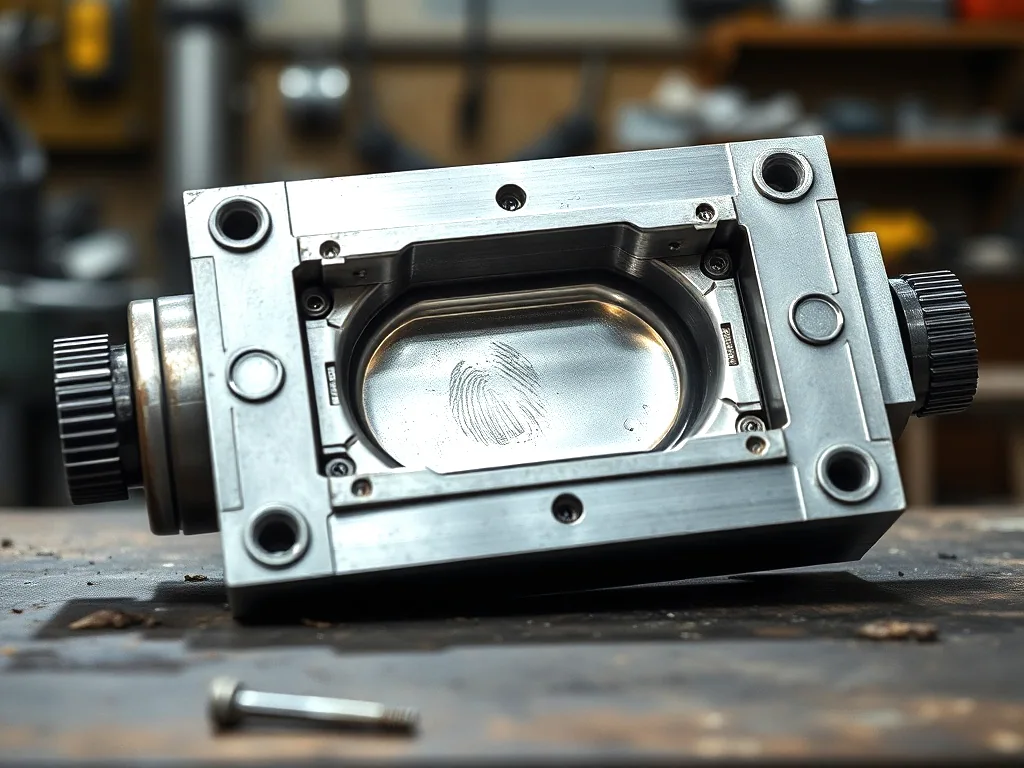
Tooling and sourcing
Three to six months. Where it gets expensive and where most projects stall.
First run
Eight to twelve weeks. Packaging, barcodes, compliance and a pallet on a dock.
Ranges
What each stage costs
Paid per stage, never as a retainer, so you can walk away at any gate with everything we produced.
Feasibility
- Manufacturability review
- Rough landed cost per unit
- Prior art and market scan
- A recommendation, including 'do not'
Prototype
- CAD and drawings you own
- Printed or machined units
- Design revisions to a working sample
- Photographs for a buyer meeting
To production
- Factory selection and vetting
- Tooling management
- Packaging and compliance
- First article inspection
The questions inventors actually ask
Do you take a share of the product?
No. Fee for service, and you own the drawings, the tooling and the brand.
Will you sign an NDA?
Yes, before the first real conversation. Send yours or use ours.
Can you get me on a shelf?
We can get you a product a buyer will consider. Selling it is your job, and anyone promising otherwise is selling something.
What is the most common reason a project stops?
Tooling cost against realistic volume. It is better to find that out at the feasibility stage for eighteen hundred dollars.
About half the products we look at should not be made. Saying so in week two is the most valuable thing we do.The engagement note we send before a feasibility review